How Much Money Do You Really Need to Buy a Home on Long Island?
How Much Money Do You Really Need to Buy a Home on Long Island?
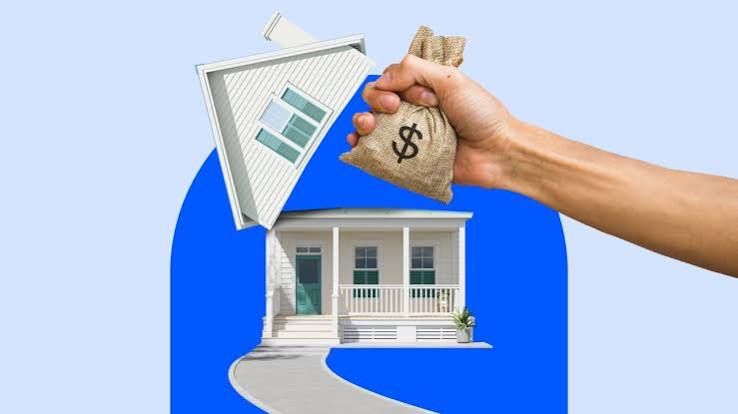
If you've ever thought about buying a home on Long Island, one of the first questions that probably crossed your mind was, "How much money do I actually need to get started?"
It's a fair question. Between the price of homes, the cost of living, and everything else we have to pay for, saving enough money to buy a house can feel overwhelming.
Maybe you've heard that you need to put 20% down. Maybe you've been saving for years but aren't sure if you have enough. Or maybe you're renting, would love to own a home someday, but haven't even looked into buying because you assume you're nowhere near being able to afford it.
Before you count yourself out, let's talk about the different costs involved in buying a home and what you should know before getting started.
The truth is, there isn't one magic number that applies to every buyer. The amount you'll need depends on the price of the home, the type of mortgage you qualify for, your financial situation, and the terms of your purchase.
Understanding where the money goes is the first step toward creating a plan.
Do You Really Need a 20% Down Payment?
Let's start with one of the biggest misconceptions about buying a home.
You do not always need 20% down to purchase a house.
There are mortgage programs that allow eligible buyers to purchase with a smaller down payment. Some conventional loan programs allow as little as 3% down for qualifying buyers, while FHA loans generally require at least 3.5% down for borrowers who meet the applicable requirements.
So what does that look like when you're buying a home on Long Island?
Let's use a $700,000 home as an example.
| Down payment | Amount you'd need |
|---|---|
| 3% | $21,000 |
| 3.5% | $24,500 |
| 5% | $35,000 |
| 10% | $70,000 |
| 20% | $140,000 |
When you look at those numbers, you can see why so many people assume buying a home is out of reach. Saving $140,000 for a 20% down payment is a significant goal for most households.
But putting 20% down isn't the only path to homeownership.
Depending on your financial situation and the mortgage program you qualify for, you may be able to purchase with a smaller down payment. Keep in mind that a smaller down payment generally means borrowing more, and you may have mortgage insurance or other costs to consider.
The important thing is to understand your options before deciding you can't afford to buy.
Your down payment is only one piece of the puzzle, though. You'll also need to account for closing costs, inspections, appraisal fees, and the money you'll want to keep in savings after you purchase.
Don't Forget About Closing Costs
Your down payment is only one part of the money you'll need to buy a home.
Closing costs are the additional expenses involved in completing your purchase. Depending on your mortgage, the property, and the transaction, these may include lender fees, appraisal fees, title-related expenses, recording fees, prepaid homeowners insurance, and prepaid property taxes or escrow deposits.
In New York, buyers should also pay attention to mortgage-related taxes and recording expenses, which can vary depending on the location, loan amount, and circumstances of the purchase.
These costs can add up, which is why it's important to plan for them early instead of focusing only on the down payment.
For planning purposes, some buyers use a rough estimate of 2% to 5% of the purchase price for closing costs, but actual expenses can fall outside that range. In New York, the type of property and mortgage can make a meaningful difference, so it's important to get an estimate specific to your situation.
On a $500,000 purchase, that rough planning range would be $10,000 to $25,000 in closing costs.
That doesn't mean every buyer will pay that amount. It's simply an example of why you want to understand the full picture before deciding how much money you'll need.
Your lender can provide a Loan Estimate to help you understand expected loan costs, and you'll receive a Closing Disclosure before closing that outlines your final terms and costs.
What About Home Inspections and Appraisals?
There are other expenses you may need to pay for during the buying process, and it's important to know about them before you start making offers.
Home inspection
A home inspection gives you an opportunity to have the property's condition evaluated by a qualified inspector. Depending on the property, you may also decide to arrange additional inspections or evaluations.
The cost depends on the size and type of property, the services included, and the inspector you choose. Buyers should ask about fees and when payment is due.
An inspection can help you better understand the condition of a home before moving forward. It isn't a guarantee that every possible issue will be discovered, but it can be an important part of making an informed decision.
Appraisal
If you're obtaining a mortgage, your lender will generally require an appraisal to help determine the property's value for lending purposes.
The appraisal is different from a home inspection. An appraisal primarily addresses the property's value, while an inspection focuses on its physical condition.
Depending on your lender and transaction, the appraisal fee may be collected upfront or handled another way during the loan process. Ask your lender when the fee is due so you can plan accordingly.
Other potential expenses
Depending on the property, you may also have expenses for surveys, specialized inspections, or other services.
The key is to ask questions early. You don't want to reach the middle of the buying process and discover expenses you didn't know to budget for.
Are There Programs That Can Help With the Cost of Buying?
This is where I really encourage buyers to do their homework before assuming they can't afford a home.
Depending on your income, credit, household circumstances, the property, and the loan program, there may be assistance options worth exploring.
For example, the State of New York Mortgage Agency, commonly known as SONYMA, offers mortgage programs for eligible homebuyers. Some programs may include down payment assistance, subject to current program rules and eligibility requirements.
There may also be other state, local, or lender-specific programs available to qualifying buyers.
These programs don't mean everyone will qualify, and assistance may come with requirements involving income limits, purchase price limits, eligible properties, occupancy, or how long you must live in the home.
But if you haven't explored these options, you may be missing information that could help you make a plan.
A knowledgeable lender who works with first-time homebuyers can help you understand which programs may fit your situation and whether the assistance is a grant, a forgivable loan, a deferred-payment loan, or another type of financing.
You can also explore the official SONYMA website to learn about New York State's homebuyer programs.
How Much Money Should You Actually Have Saved?
This is where it helps to stop looking for one universal number and start looking at your own situation.
Your savings plan should account for more than just your down payment.
You'll want to consider:
-
Your estimated down payment.
-
Closing costs and prepaid expenses.
-
Inspection and appraisal fees, including when those payments are due.
-
Moving expenses and any immediate needs for the home.
-
Money left over for emergencies and unexpected repairs.
That last point is important.
You don't want to use every dollar you have just to get the keys and then find yourself struggling when the car needs repairs or an unexpected home expense comes up.
Homeownership comes with responsibilities, and having some savings left after closing can give you more breathing room.
If you aren't there yet, that's okay. Knowing what you need is a starting point for creating a savings goal.
You may find that you're closer than you thought, or you may discover that you need more time to prepare. Either way, you'll be making decisions based on actual information instead of assumptions.
Don't Forget About Your Monthly Payment
Having enough money to close on a home is only one part of the equation. You also need to be comfortable with the ongoing cost of owning it.
Your monthly housing expenses may include:
-
Mortgage principal and interest.
-
Property taxes.
-
Homeowners insurance.
-
Mortgage insurance, if applicable.
-
HOA or condominium fees, if applicable.
-
Flood insurance, if required or appropriate for the property.
-
Ongoing maintenance and repairs.
Here on Long Island, property taxes and insurance deserve particular attention because they can make a significant difference in the total monthly cost.
Two homes with the same asking price can have very different monthly expenses. That's why I encourage buyers to look at the full payment instead of making decisions based on the purchase price alone.
You should also consider your other monthly obligations, your savings goals, and the lifestyle you want to maintain.
Just because a lender approves you for a certain amount doesn't mean you have to spend that much.
The goal is to find a home that works for your life, not to stretch your finances to the limit.
The First Step Isn't Finding a House. It's Understanding Your Options.
I know it can be tempting to start scrolling through listings and imagining yourself in a new home. Looking at houses is exciting!
But before you get too far into the search, I encourage you to have a conversation with a lender and learn what your financial picture looks like.
You can find out what loan options may be available, what your estimated monthly payments could be, how much money you'll need upfront, and whether there are assistance programs worth exploring.
If you're not ready to buy right now, you can use that information to create a plan.
Maybe you need to save a little more. Maybe you need to work on your credit. Maybe you need to understand your debt-to-income ratio or explore different mortgage options.
Whatever the situation, having a plan gives you somewhere to start.
And you don't have to figure out every part of the process on your own.
As real estate agents, our role is to help you understand the buying process, guide you through the property search and offer process, and help you ask the right questions along the way. Your lender can help you understand the financing side so you can make informed decisions.
The goal is to bring those pieces together so you can move forward with a clearer picture of what's possible.
Thinking About Buying a Home on Long Island?
If you've been putting off the idea of buying because you're unsure how much money you need, let's start with a conversation.
You don't have to be ready to make an offer. You don't need to have everything figured out. You can start by learning about the process, understanding your options, and figuring out what your next step should be.
Visit our First-Time Buyer Guide to get started.
You may not be ready to buy today, but that doesn't mean you can't start planning for tomorrow. Let's figure out your next step together.

Categories
Recent Posts