What Should You Know Before Buying a Home on Long Island, NY?
What Should You Know Before Buying a Home on Long Island, NY?
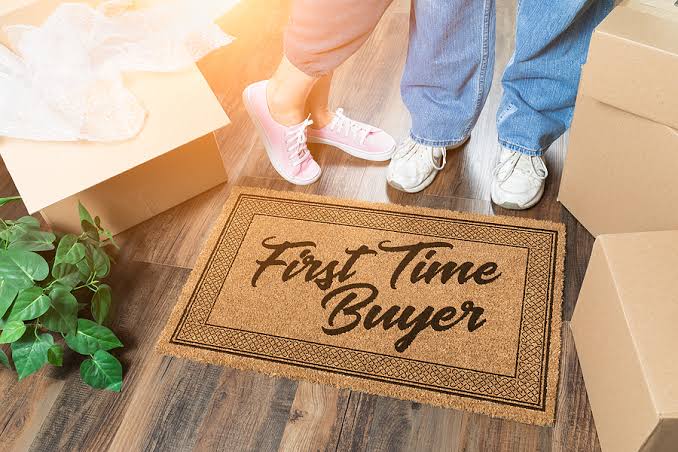
Buying a home on Long Island is exciting, but there is a lot more to consider than the asking price and how many bedrooms a house has. Two homes listed for the same price can have very different monthly expenses depending on property taxes, heating systems, insurance, and the condition of the property.
Before you fall in love with a house, it is important to understand what you are buying and what it will cost to own it.
As a Long Island real estate agent, one of the things I want buyers to understand is that finding the right home is about more than getting an offer accepted. It is about finding a home that makes sense for your lifestyle and your budget.
Here are some important things to consider when buying a home on Long Island, NY.
1. Property Taxes Can Make a Big Difference
Property taxes are one of the biggest expenses buyers need to understand before purchasing a home on Long Island.
Taxes can vary significantly from one property to another, even between homes in the same general area. They can also vary depending on the school district, local tax rates, assessments, and other factors.
When comparing homes, do not assume that two similarly priced properties will have similar taxes.
Before making an offer, ask for the current property tax information and review it carefully. You should also understand that a property's current tax bill may not tell you everything about future taxes, and any potential changes should be investigated rather than assumed.
Why does this matter? Your mortgage payment is only part of your monthly housing expense. A home with a lower asking price but significantly higher property taxes could cost you more each month than you expect.
2. Understand Flood Zones and Insurance
Long Island has coastal communities, waterfront properties, and neighborhoods where flood risk needs to be considered. But flood risk is not limited to homes directly on the water.
Before purchasing a property, find out whether it is in a designated flood zone and whether flood insurance may be required by your lender.
Even when flood insurance is not required, you may want to investigate the property's flood history and potential exposure. Standard homeowners insurance generally does not cover flood damage, so flood coverage can be a separate expense.
Ask questions such as:
-
Is the property located in a FEMA-designated flood zone?
-
Will my lender require flood insurance?
-
What would flood insurance cost for this specific property?
-
Has the property experienced flooding or water intrusion?
-
Are there drainage issues or other concerns I should investigate?
Do not rely on the listing description alone to answer these questions. Flood risk, insurance requirements, and premiums are property-specific, so verify them with the appropriate professionals before committing to a purchase.
3. Oil Heat Versus Natural Gas
Another thing buyers should pay attention to on Long Island is the home's heating system.
Some homes use natural gas, while others rely on oil, and some properties use electric heat or other systems. The type of heat can affect your budget, maintenance responsibilities, and comfort.
If the home has oil heat
Ask whether the oil tank is above ground or underground, how old it is, and whether there are maintenance records. If an underground tank is present or suspected, investigate its status and any potential environmental concerns with qualified professionals.
You should also ask about the age and condition of the boiler or furnace and request information about past heating expenses, if available.
If the home has natural gas
Ask about the age and condition of the heating equipment, when it was last serviced, and whether the system heats the entire home effectively.
Natural gas may be convenient, but the actual cost depends on the equipment, insulation, household usage, and current utility rates.
The important thing is not to assume one system will always be cheaper than another. Ask for available utility records, have the equipment evaluated as appropriate, and consider the cost of future repairs or replacement.
4. Older Homes May Need More Attention
Long Island has many beautiful older homes, and they can offer character, established neighborhoods, and features you may not find in newer construction.
However, older homes may also have aging systems or components that need attention.
Depending on the property's age and condition, you may want to investigate:
-
The roof and gutters
-
Heating and cooling systems
-
Plumbing and electrical systems
-
Windows, insulation, and energy efficiency
-
The foundation and basement
-
Signs of water intrusion or drainage problems
-
The condition of the driveway, siding, and other exterior features
A home inspection can help identify visible concerns, but it does not guarantee that every issue will be found. Depending on the findings, additional inspections or evaluations may be appropriate.
You do not necessarily need to avoid an older home. You simply need to understand its condition and be prepared for the maintenance that may come with it.
A house that fits your budget on closing day should also leave room in your finances for repairs and ongoing upkeep.
5. Consider Your Commute and Daily Routine
Long Island offers many different lifestyles, from coastal communities and suburban neighborhoods to areas with convenient access to major roads and the Long Island Rail Road.
Before choosing a town, think about what your daily life will look like.
If you commute to New York City, check the train schedule, station parking, and the total time it takes to get from your front door to work. If you drive, consider traffic patterns and how long your commute takes during the hours you actually travel.
You may also want to consider:
-
How close you are to grocery stores and other everyday necessities
-
Access to major roads and public transportation
-
Parks, recreation, and other activities you enjoy
-
School districts, if they are relevant to your household
-
How far you will be from family, friends, or childcare
A home can look perfect during a weekend showing but feel very different when you are dealing with your everyday routine.
Think about the life you want to live in the home, not just the home itself.
6. Look Beyond the Mortgage Payment
When you are figuring out what you can afford, make sure you consider the full cost of owning the property.
Depending on the home and your loan, your expenses may include:
-
Mortgage principal and interest
-
Property taxes
-
Homeowners insurance
-
Flood insurance, if needed
-
Electric, gas, oil, water, and other utilities
-
Maintenance and repairs
-
Homeowners association fees, if applicable
-
Mortgage insurance, if applicable
You will also need to plan for upfront expenses such as inspections, closing costs, moving expenses, and any immediate work the home may need.
This is why I encourage buyers to focus on a comfortable monthly payment instead of shopping based only on the highest price a lender says they may qualify for.
Your lender can help you understand the financing numbers, but you also need to account for your personal expenses, savings goals, and the lifestyle you want to maintain.
The goal is to buy a home you can enjoy without feeling financially stretched every month.
7. Research the Property, Not Just the Neighborhood
Even when you find a neighborhood you love, each property deserves its own research.
Before moving forward, consider reviewing:
-
The property's tax information
-
Flood-zone information and insurance needs
-
The home's age and maintenance history
-
Permits and documentation for additions or major renovations, where applicable
-
Any known property restrictions, easements, or other concerns
-
Utility costs and the condition of major systems
-
Any additional inspections recommended by your home inspector
If you are considering a home with an addition, finished basement, converted garage, or other significant alteration, ask questions about the work and whether the necessary approvals were obtained.
Your real estate agent can help you identify questions to ask and coordinate with the appropriate professionals, but legal, insurance, tax, and inspection questions may require advice from a qualified specialist.
Doing your homework early can help you make a more informed decision and avoid unexpected surprises later.
8. Make Sure the Home Fits Your Future, Too
Buying a home is a major financial decision, and it is worth thinking beyond the day you move in.
Are you planning to stay for several years? Do you expect your household or work situation to change? Will you have enough money left over for emergencies, repairs, and other financial goals after you purchase?
There is no single perfect home for every buyer. The right choice depends on your priorities, your finances, and what matters most to you.
Sometimes that means choosing a home that needs a little work. Other times, it means paying more for a property that better fits your needs or has fewer immediate maintenance concerns.
What matters is understanding the trade-offs before making a decision.
Buying a Home on Long Island? Let's Start With a Plan.
You do not have to know every answer before you begin looking at homes. That is part of the process.
My goal is to help buyers understand their options, ask the right questions, and make decisions based on more than just the listing price. Whether you are buying your first home, moving to a different town, or trying to figure out if homeownership is realistic for you, starting with a conversation can help you understand your next steps.
If you are thinking about buying a home on Long Island, take a look at our Buyer Guide or reach out to talk about your goals.
Let's figure out what makes sense for you, one step at a time.

Categories
Recent Posts